




Training with a swim current machine transforms a small pool into an infinite swimming lane. It is a fantastic tool for fitness, but it presents a unique challenge for data tracking. Most swimmers rely on their watches to count laps and calculate distance. However, when you are swimming in place, GPS and accelerometer-based lap counters fail. The wall never comes, so the watch never registers a turn. This distortion of data can be frustrating. To get the most out of your workout, you must shift your focus from traditional metrics to physiological data. This guide explains how to effectively use wearable technology with a counter-current swim machine to track your progress accurately.
Why Traditional Distance Metrics Fail
In a standard pool, your watch tracks distance by sensing the push-off from the wall. In open water, it uses GPS. Neither works in a stationary current. Your watch might show zero meters swam after an intense 30-minute session, or it might guess wildly based on arm movements.
Because the distance data is unreliable, the "pace per 100m" metric becomes meaningless. You cannot trust your device to tell you how fast you are going because it does not know the speed of the current you are fighting. Relying on these traditional numbers will only lead to confusion and a lack of motivation. Instead, you need to recalibrate your approach to focus on what your body is actually doing.
What Are the 5 Key Metrics for Swim Current Training?
Since distance is off the table, you need new benchmarks. These five indicators provide a comprehensive picture of your effort and efficiency.
Heart Rate (The Core Indicator)
This is your speedometer. In a stationary swim, heart rate is the most accurate measure of intensity. Keeping your heart rate in specific zones ensures you are training endurance or power effectively, regardless of what the distance tracker says.
Duration
Time replaces distance. Instead of swimming 2000 meters, you swim for 40 minutes. This standardization allows for consistent training loads and easy comparison between sessions.
Stroke Rate (Cadence)
Your watch can still accurately count your arm turnover. Monitoring your stroke rate helps you maintain rhythm. If your rate drops while the current speed remains constant, you know you are fatiguing.
Subjective Intensity (RPE)
Rate of Perceived Exertion (RPE) is invaluable. Combining how hard you feel you are working with your heart rate data gives you a complete picture of your fitness level on any given day.
Current Speed Setting
The speed of the counter-current swim machine is a metric itself. Advanced units, like the iGarden Swim Jet P230, deliver massive power—up to 1100 GPM—making them perfect for serious swimming training. Featuring 5 distinct current modes, this multi-level adjustment allows you to treat the machine's specific setting as your precise "pace" indicator. The benefit of multiple gears is that you can perfectly tailor your workout: warm up on a lower setting, push your limits on the highest speed for sprint intervals, or find a comfortable middle ground for steady-state cardio. If you can maintain the same heart rate at a higher machine speed setting than last month, you have measurably gotten faster.
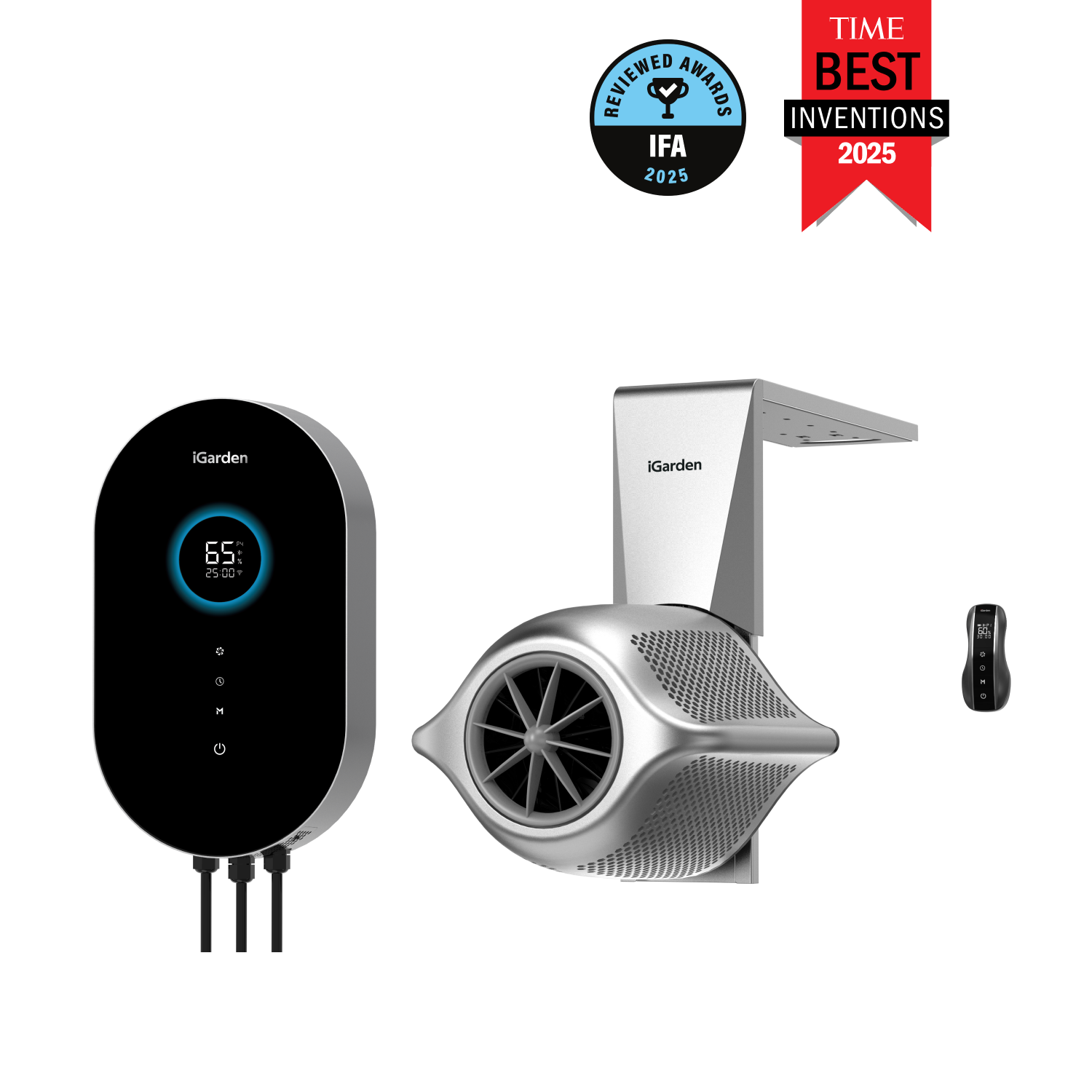
iGarden Swim Jet P Series
The Time Best Inventions of 2025. The stainless-steel system uses full-inverter technology for quiet, variable power and a patented flow-channel design that creates wider, consistent currents of up to 1,100 gallons per minute.
Buy NowHow to Optimize Different Wearable Devices
Here is how to configure popular wearables for the best results.
Holoswim Smart Goggles
Smart goggles are a game-changer for this type of training. Devices like Holoswim display metrics right in your line of sight. They excel at tracking calories burned and real-time stroke rate without forcing you to stop and look at your wrist. This constant feedback loop helps you maintain form in the current.
Apple Watch
Do not use the standard "Pool Swim" mode, as it hunts for turns. Instead, select "Open Water Swim" (if GPS is disabled) or, even better, "Other" or a custom "Water Fitness" workout. Focus entirely on Heart Rate, Total Time, and Active Energy. Ignore the distance field. You can customize the workout view to hide the distance metric so it doesn't distract you.
Garmin and COROS
For these advanced sport watches, you can use "Pool Swim" if you turn off auto-lap features, but the data will be messy. A better approach is to create a custom activity profile named "Stationary Swim" or use "Cardio." If possible, pair your watch with a chest strap (like the Garmin HRM-Swim) or an arm optical sensor. The water flow from a powerful machine can sometimes disrupt wrist-based optical sensors; a chest strap guarantees precision.
Is the iGarden Swim Jet P230 Right for You?
For those looking to significantly upgrade their home setup, the iGarden Swim Jet P230 delivers a professional-grade experience. Generating an impressive 1100 GPM with a maximum flow speed of up to 4m/s, it provides the intense resistance required by elite athletes. The most significant advantage is that it allows you to swim continuously without turning around, effectively transforming an ordinary backyard pool into a much larger, endless training venue. Beyond hardcore workouts, it offers 5 adjustable modes, making it versatile enough for everything from rigorous training to relaxing water play. Fully controllable via remote or app, it provides the exact, consistent current you need to track your physiological data accurately.
The Portable Option? iGarden Swim Jet X Series
Looking for a More Flexible Option? The iGarden Swim Jet X Series offers a portable alternative to traditional built-in swim systems. Featuring a clamp-and-go design, it installs in about one minute without drilling or major construction, making it ideal for above-ground pools, compact backyard pools, and rental properties. Powered by AI Inverter technology and a PMSM motor, the X Series generates a smooth, river-like current with flow speeds up to 3.5 m/s and up to 1100 GPM on the iGarden Swim Jet X PRO 10 model, supporting everything from beginner swim practice to high-intensity endurance training. Its battery-powered design with wheels and a telescopic handle also makes storage and movement easy, while app control, low-noise operation, and multiple safety protections create a convenient and family-friendly swimming experience.

iGarden Portable Swim Jet X
Best-in-Class Water Flow: AI Inverter Tech delivers the strongest water flow in its class. 1-Min Setup: No drilling, no renovation. Clamp the jet and go. All in One: Training, playing, relaxing, experience the freedom of unlimited swimming.
Establish a Reliable Data Recording System
To track progress without distance, you need a logbook approach.
The "Speed vs. Time" Log
Record the speed setting of your counter-current swim machine and the duration of your swim. For example: "Level 4 for 20 minutes." Over time, your goal is to either increase the time at Level 4 or graduate to Level 5 for the same duration. Utilizing a system with a wider flow area and ultra-quiet motor, such as the P230, ensures that your resistance remains consistent and comfortable, making these log entries more reliable.
Interval Training by Time
Use your watch’s interval timer. Set it to vibrate every 3 minutes. Swim hard for 3 minutes, then float or swim easy for 1 minute. Your watch tracks the intervals and heart rate recovery, which is excellent data for measuring cardiovascular improvement without needing distance.
Redefining Progress: Stability and Efficiency
Improvement in a current pool isn't just about swimming faster; it is about swimming better.
Sustained Load Capacity
Progress is the ability to hold a steady stroke rate against a fixed resistance for longer periods. If you can maintain perfect form at a high setting for 15 minutes instead of 10, your endurance has improved.
Stroke Stability
The current is relentless. It exposes dead spots in your stroke. Using your wearable to monitor stroke rate consistency helps you identify when your form breaks down. A consistent graph indicates high neuromuscular efficiency.
Heart and Muscle Synergy
Watch your heart rate drift. If your heart rate stays stable during a long, steady swim rather than creeping up (cardiac drift), your cardiovascular system is becoming more efficient. This "synergy" is a better marker of health than lap counts.
Conclusion
Training with a counter-current swim machine requires a mindset shift. You must let go of the obsession with "meters swam" and embrace physiological metrics. By focusing on heart rate, duration, and stroke cadence, and by configuring your wearable device correctly, you can unlock a deeper understanding of your fitness. The machine provides the resistance; your data provides the roadmap. This approach ensures that every minute spent in the current translates to real, measurable athletic progress.
FAQs
Why does my watch show zero distance when I swim for an hour?
Your watch relies on GPS movement or the "push-off" motion at a wall to calculate distance. In a current pool, you remain stationary and never turn, so the watch assumes you haven't moved.
Can I use a chest strap heart rate monitor in the water?
Yes, and it is recommended. Bluetooth signals do not travel well through water, so look for straps that store data (like Garmin HRM-Pro) and sync it to the watch after you exit the pool.
How do I know if I am swimming faster?
You are swimming faster if you can increase the speed setting of the counter-current swim machine while maintaining the same heart rate and stroke rate as a previous, slower session.
Does the water current affect my watch's heart rate sensor?
It can. The turbulence and pressure of the water can cause the watch to move slightly on your wrist, letting light leak in and affecting optical readings. Tightening the strap or using a chest sensor helps.
Is stroke rate a reliable metric for beginners?
Yes. For beginners, a consistent stroke rate indicates that you aren't "fighting" the water. Sudden drops in stroke rate usually signal fatigue or a loss of technique.