Pool Cleaning Robot

Robotic Pool Cleaner

Why Choose iGarden?

New User Benefits

New User Benefits

Free & Fast Shipping

Free & Fast Shipping

2 Year+ Warranty

2 Year+ Warranty

SecurePayment Methods

SecurePayment Methods

24/7 Support

24/7 Support

30-Day Returns

30-Day Returns

What a Robotic Pool Cleaner Does — and Doesn't Do

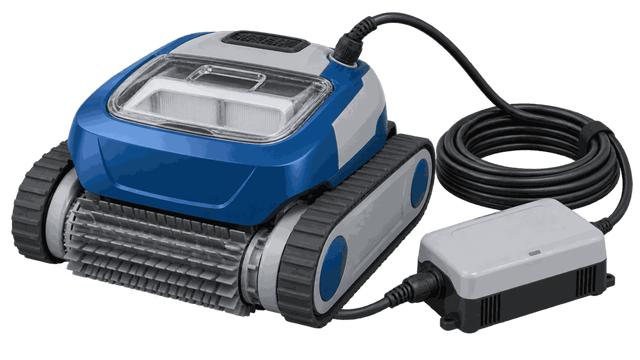
Although the technology varies between models, most robotic pool cleaners rely on several key components working together.

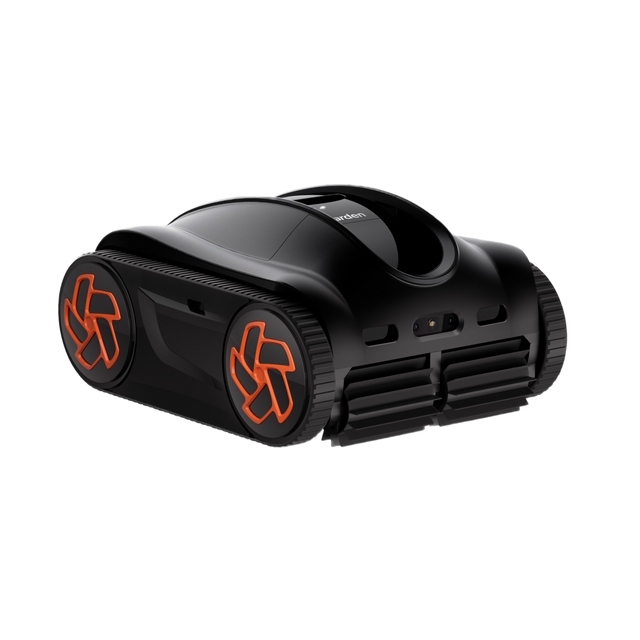
A robotic pool cleaner is designed to handle routine physical cleaning inside the pool. Depending on the model, it can collect leaves, dirt, sand and other debris from the pool floor, while some models can also scrub the walls and waterline. Because the robot has its own motor and filtration system, it can clean independently without relying on the pool pump to move it around.

A robotic pool cleaner does not replace complete pool maintenance. You will still need to test and balance the water, maintain the skimmer and filtration system, check pool equipment and deal with issues such as algae or water chemistry when they arise. Think of a robotic cleaner as one part of your pool care routine: it takes care of the repetitive cleaning work so you can spend less time vacuuming and more time enjoying the pool.
Are Robotic Pool Cleaners Worth It?

For most pool owners, the biggest benefit is not that a robot eliminates pool maintenance altogether. It is that it takes care of one of the more repetitive parts of the job. A robotic cleaner can reduce the need for regular manual vacuuming and help keep leaves, dirt and other debris under control between deeper maintenance jobs. They can be particularly useful for pools surrounded by gardens or trees, where debris can build up quickly. They are also convenient for pool owners who want to keep the pool clean without having to connect and set up a manual cleaner each time.

The important thing is to choose a model that matches the pool. A compact pool used occasionally may not need the same runtime or debris capacity as a larger family pool that is used throughout the warmer months.

Find Your Way to a Cleaner Pool.

Compare five cleaning methods. Find what fits your pool and your routine.

Compare cleaning methods

5 methods
9 considerations

Robotic Pool Cleaner

Robotic Pool CleanerCordless Robotic Pool Cleaner

iGarden K Series

Corded Robotic Pool Cleaner

Corded Robotic Pool Cleaner

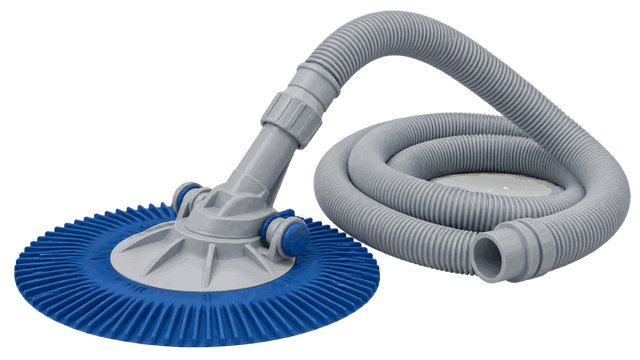
Suction-Side Pool Cleaner

Suction-Side Pool Cleaner

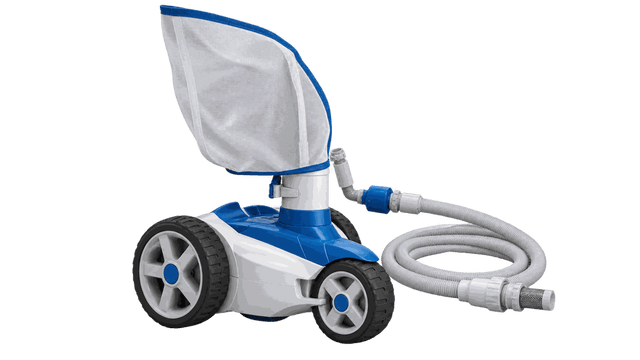
Pressure-Side Pool Cleaner

Pressure-Side Pool Cleaner

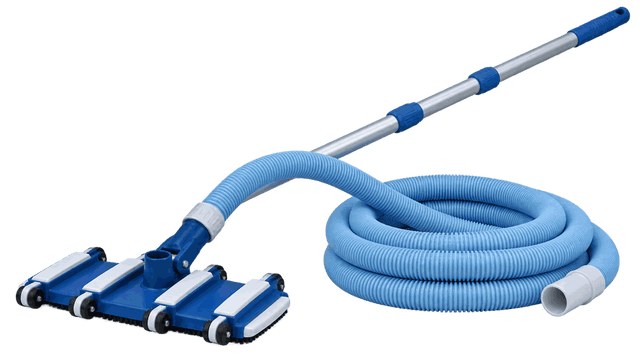
Manual Pool Vacuum

Manual Pool Vacuum

How it worksRechargeable battery and built-in filtrationExternal power supply, cable and built-in filtrationConnects to the pool's suction line and uses pump suctionUses return-water pressure, sometimes with a booster pumpA vacuum head and hose are moved manually across the pool
AutomationFully automaticFully automaticAutomatic movementAutomatic movementFully manual
Typical cleaning coverageFloor, walls and waterline, depending on modelFloor, walls and waterline, depending on modelPrimarily the floor; varies by modelPrimarily the floor; varies by modelTargeted areas selected by the user
Pool pump dependenceNoNoYesUsually relies on the circulation system; some models need a booster pumpUsually uses the pool pump and filtration system
Debris collectionBuilt-in filter basket or debris containerBuilt-in filter basket or debris containerPool skimmer and main filterUsually a dedicated debris bagMain filter system or waste line
Setup and operationDrop into the pool and start; recharge between cyclesPosition the power supply and manage the cableConnect the hose and ensure adequate suctionConnect the pressure line and booster pump if requiredConnect the vacuum head, pole and hose, then vacuum manually
Main advantageConvenient operation without a power cableContinuous external power without battery rechargingRelatively affordable and straightforwardSuitable for collecting larger debris with an appropriate modelLow equipment cost and precise control
Main limitationLimited runtime per charge; battery condition matters over timeCable handling and access to a suitable power pointUses the pool's circulation system and can add to filter maintenancePotentially higher installation and operating costsTime-consuming and labour-intensive
Best suited toPool owners who prioritise convenience and automated cleaningOwners who want automated cleaning with longer uninterrupted cyclesBudget-conscious owners with a compatible pool setupPools with substantial leaf debris or an existing pressure-cleaning setupOccasional spot cleaning, steps and areas needing extra attention

How to Choose the Best Cordless Robotic Pool Cleaners

Not sure which model is right for your pool? This quick guide covers the key factors to compare before you choose.

Start with Your Pool Size and Type

Start with your pool size and type. A small above-ground pool usually needs a lightweight cleaner built mainly for floor cleaning. An inground pool—especially one with a deep end, slopes, or steps—needs stronger drive power and broader coverage. Do not rely on broad claims like “for large pools.” The real question is whether one cycle can cover your pool. If not, you will be dealing with incomplete cleaning.

Decide What Areas Need to Be Cleaned

Decide whether you only need the floor cleaned or also the walls and waterline. Floor-only models are usually enough for routine leaves, sand, and debris on the bottom, and they cost less. If your walls collect buildup or your waterline gets oily or dirty, choose a model that can climb and scrub those areas. Otherwise, you will still be cleaning them yourself.

Match Navigation to Your Pool Shape

The simpler the pool shape, the less navigation matters. Basic cleaning patterns are usually enough for rectangular or round pools. If your pool is L-shaped, freeform, has steps, or has a lot of corners, navigation matters much more. In those pools, the real problem is usually not suction—it is missed spots, repeated passes, and edge hang-ups.

Think About Runtime and Cordless Convenience

Cordless models are easier to use because there is no cable to manage. But that only helps if the runtime is long enough to finish the job. If you have a large pool, or want one cycle to clean the floor, walls, and waterline, runtime should be a priority. If you have a smaller pool or clean often, cordless convenience may matter more.

Choose Filtration Based on the Debris You Deal With

Choose filtration based on the debris your pool actually gets. If you deal with leaves, petals, or bugs, focus on basket capacity and clog resistance. If you deal with fine sand, dust, or sediment, focus on how well it captures small particles. If the cleaner runs but the pool still looks dirty, the issue is often not coverage—it is filtration that is too coarse.

Look for Features That Make Daily Use Easier

Daily usability matters. App control makes settings easier to manage, scheduled cleaning reduces manual effort, and easy retrieval makes each cycle less of a chore. Also check how easy it is to remove and rinse the filter basket. If that part is inconvenient, you are less likely to use the cleaner consistently.

Compare Long-Term Value, Not Just Price

Do not compare by price alone. Compare whether the features actually fit your pool and cleaning habits. If you only need floor cleaning, extra features may not be worth paying for. But if your pool needs wall cleaning, waterline scrubbing, or better coverage in a complex shape, a basic model will usually create more work later. The better measure is long-term value: consistent cleaning, less manual work, and easy maintenance. The right cleaner is not always the most expensive—it is the one that fits your pool best.