




Backyard pools are evolving beyond simple recreation spaces. Homeowners are transforming their pools into multi-purpose wellness centers that combine stunning aesthetics, serious fitness capabilities, and therapeutic relaxation. Three major shifts are reshaping the industry: architectural innovation, health-focused features that rival professional training facilities, and smart technology that eliminates maintenance headaches. Whether planning a new installation or upgrading an existing pool, these trends offer practical solutions for modern living.
Modern Pool Design Trends for Aesthetic Appeal
The visual language of pools is changing dramatically. Homeowners now demand designs that complement their architecture while offering unique experiences.
Minimalist & Geometric Designs
Clean lines and sharp angles dominate contemporary pool design. Rectangular and L-shaped pools create visual simplicity while maximizing swimming space. These geometric forms work especially well with modern homes, creating seamless transitions between indoor and outdoor living areas. The beauty lies in restraint: fewer decorative elements mean the water itself becomes the focal point.
Natural & Eco-Friendly Pools
Saltwater systems are replacing traditional chlorine setups. These systems feel gentler on the skin and eyes while requiring less chemical maintenance. Natural stone coping and pebble finishes create organic textures that blend with landscaping. Some homeowners incorporate wetland-style filtration zones with plants that naturally purify water.
Multi-Functional Pool Zones
Modern pools feature distinct areas for different activities:
- Shallow lounging zones with built-in benches
- Deep sections for diving or serious swimming
- Tanning ledges for chairs and sunbathing
- Separated splash areas for children
This approach lets multiple family members use the pool simultaneously without conflict.
Color & Material Innovations
Dark-colored pool finishes create dramatic mirror effects that reflect the sky and surroundings. Charcoal, deep blue, and black plaster or tiles produce surprisingly clear water while making pools appear deeper. These materials also absorb more solar heat, naturally warming the water in cooler months.
Fitness-Focused Pools for Home Training
Pools are becoming legitimate workout spaces. Fitness-conscious homeowners no longer see swimming as just summer fun but as a year-round training infrastructure.
The Rise of Fitness-Focused Pools
Athletic training at home shows no signs of slowing. Compact pools designed specifically for exercise now compete with traditional recreational designs, proving that effective aquatic workouts don't require Olympic dimensions.
Swim Jets & Counter-Current Systems
Swim jets (also known as counter-current systems) create currents that allow swimmers to train in place, much like a treadmill in water. A powerful jet stream can create wider currents for the whole family to enjoy (including pets!), pushing water toward the swimmer, who can swim continuously against the current without needing to turn around.
Swim jets are usually installed during pool construction, but many models can also be added to existing pools. The adjustable current makes it easy for everyone to enjoy—from relaxed family play to more focused swim training. With different intensity levels in one system, a single pool can comfortably support the needs of the whole family.
Aquatic Fitness Beyond Swimming
Water provides natural resistance without joint impact. Beyond traditional laps, homeowners use pools for:
- Water aerobics and dance routines
- Resistance band exercises anchored to pool edges
- Recovery sessions after land-based training
The buoyancy reduces body weight by up to 90%, letting injured athletes maintain fitness while healing.
Spa and Wellness Features at Home
Relaxation features are no longer luxury add-ons but expected components. Pools double as personal wellness centers that address both physical and mental health.
Integrated Pool-Spa Designs
Attached spas share equipment and filtration with the main pool, reducing installation costs and mechanical complexity. These connected designs create visual continuity while offering temperature flexibility. The spa section typically sits slightly elevated, allowing heated water to spill over into the pool in a gentle waterfall effect.
Hydrotherapy & Relaxation Features
Therapeutic elements now appear in standard residential pools. Strategic jet placement targets specific muscle groups: lower back jets for posture pain, foot jets for plantar issues, and neck jets for tension relief. Air bubble systems create gentle massage sensations throughout the pool floor.
Some designs incorporate contrast therapy, alternating between warm spa water and cooler pool temperatures. This technique improves circulation and speeds muscle recovery.
Year-Round Spa Usage
Heating technology makes pool-spa combinations viable in most climates. Gas heaters warm water quickly for spontaneous use, while heat pumps offer energy efficiency for constant temperatures. Insulated covers retain warmth overnight, dramatically reducing heating costs. Enclosures or retractable structures extend the season even further, creating protected environments that work through snow and rain.
Smart Technology and Automation
Technology is eliminating the tedious aspects of pool ownership. Smart systems handle routine maintenance, letting owners focus on enjoyment rather than chemistry and cleaning.
Automated Pool Management Systems
Sensors continuously monitor water chemistry, measuring chlorine levels, pH balance, and alkalinity. When readings drift from ideal ranges, automated chemical feeders make corrections without human intervention. Smartphone apps provide real-time status updates and let owners adjust settings remotely. Temperature, lighting, and filtration schedules all respond to programmed preferences or manual commands from anywhere.
Robotic Pool Cleaners
Robotic pool cleaners navigate floors and walls using smart mapping technology. These units scrub surfaces, vacuum debris, and filter particles without connecting to the pool's main system. Simply drop one in the water, and it handles the work. Advanced models recognize pool shapes and optimize cleaning paths. The time savings are substantial: what once required an hour of manual vacuuming now happens unattended. For pool owners using their pools daily for fitness or relaxation, this automation becomes essential rather than optional
Energy-Efficient Technologies
Variable-speed pumps adjust power output based on actual needs rather than running at full capacity constantly. Solar heating systems harness free energy to maintain comfortable temperatures. LED lighting consumes a fraction of the electricity used by older incandescent pool lights while lasting years longer.
Choosing the Right Pool Features for Your Lifestyle
Implementing these pool trends 2026 requires careful planning. Not every feature suits every household or budget.
Assess Your Lifestyle Needs
Start by honestly evaluating how you'll use the pool. Families with young children prioritize safety features and play areas. Fitness enthusiasts need adequate depth and possibly swim jets. Those seeking relaxation might invest more heavily in spa features. Your primary use case should guide design decisions.
Balance Design, Function & Budget
Visual appeal matters, but functionality shouldn't suffer for aesthetics. Create a priority list separating must-haves from nice-to-haves. Core infrastructure deserves the largest budget allocation. Decorative elements can often be added or upgraded later.
Future-Proof Your Pool Investment
Install rough plumbing and electrical connections for features you might add eventually, even if you're not implementing them now. Running an extra conduit during construction costs little, but retrofitting later means jackhammering and landscaping repairs. Choose control systems that support additional devices through software updates rather than hardware changes.
Work with Professional Pool Designers
Experienced designers understand local codes, soil conditions, and climate challenges. They prevent expensive mistakes like inadequate drainage or improper equipment sizing. Good designers also visualize how your pool integrates with existing landscaping and architecture, creating cohesive outdoor spaces.
Take the Next Step Toward Your Ideal Pool
Modern pools combine visual sophistication with genuine health benefits and reduced maintenance demands. Whether you prioritize stunning design, serious fitness capabilities, or therapeutic relaxation, current pool trends 2026 offer solutions that transform backyards into personal wellness centers. Consult with local pool builders to explore which features work for your property. Request site evaluations now, as construction typically takes months from design to completion.
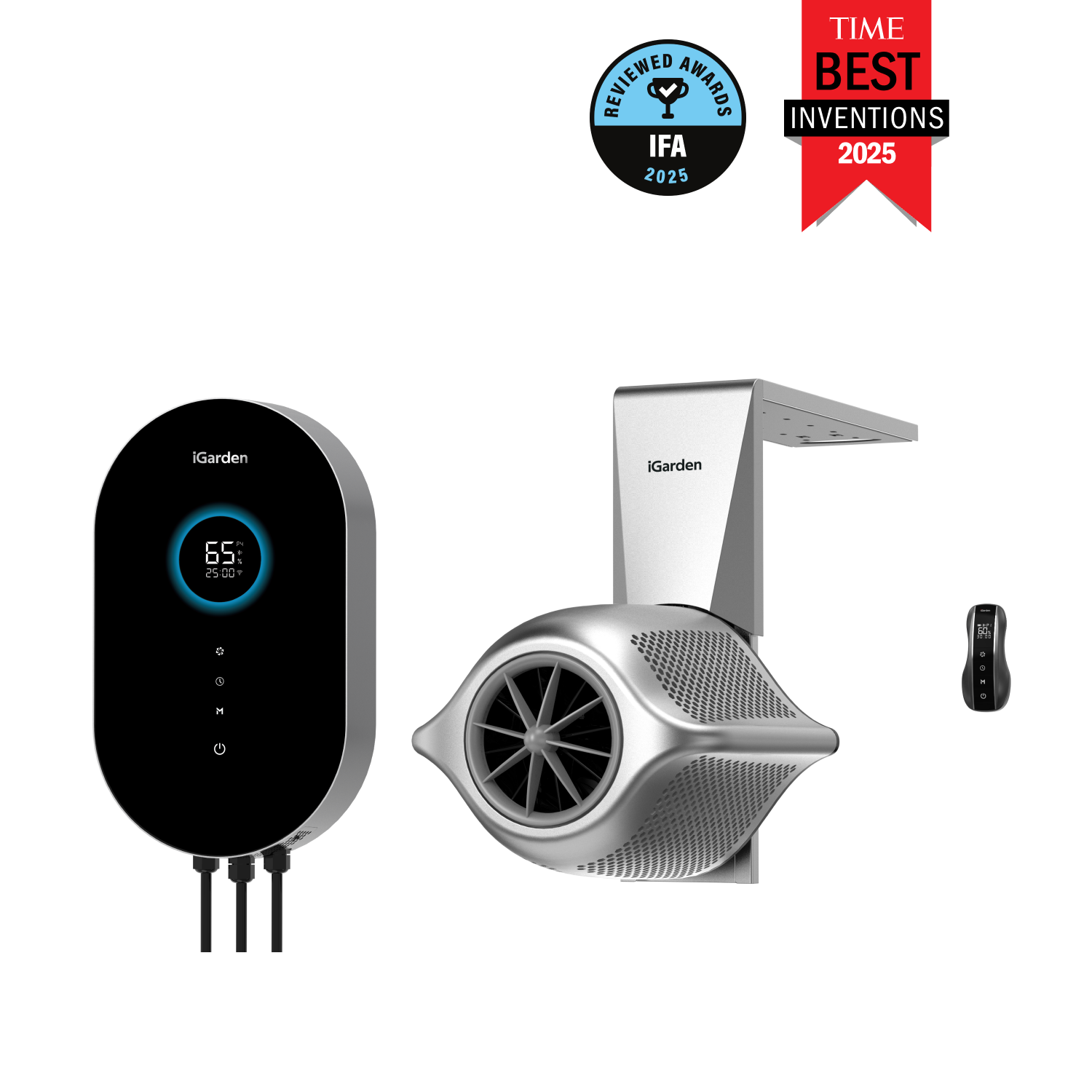
iGarden Swim Jet P Series
The Time Best Inventions of 2025. The stainless-steel system uses full-inverter technology for quiet, variable power and a patented flow-channel design that creates wider, consistent currents of up to 1,100 gallons per minute.
Buy NowFAQs
Q1. What Is the Minimum Pool Size Needed for Swim Jets?
Swim jet systems work effectively in pools as small as 12 feet long, though 14 to 16 feet provides more comfortable swimming space. The key factor is depth, which should be at least 4 feet in the jet area for proper current flow. Smaller pools actually benefit more from this technology since they wouldn't otherwise accommodate serious swimming.
Q2. Can You Add Smart Automation to an Existing Older Pool?
Most pools built within the past 20 years can be retrofitted with smart controls and automated chemical systems. The process involves installing new sensors, controllers, and possibly upgraded pumps that communicate with management apps. Older pools with outdated plumbing or electrical systems may need additional infrastructure updates before automation components can be added safely.
Q3. Do Dark-Colored Pool Finishes Make Water Look Dirty?
Dark finishes actually make debris more visible against the contrasting background, which helps with cleaning rather than hiding dirt. The water itself appears exceptionally clear with a mirror-like quality. However, calcium deposits and waterline staining show more obviously on dark surfaces, requiring consistent maintenance and proper water chemistry to keep the appearance pristine.
Q4. Are Saltwater Pools Completely Chlorine-Free?
Saltwater pools still use chlorine for sanitation but generate it automatically from dissolved salt through a process called electrolysis. The chlorine generator converts salt into chlorine as water passes through it. This creates steadier, lower chlorine levels compared to manually added chemicals, resulting in gentler water that still stays properly sanitized.