

Owning a private swimming pool transforms a backyard into a sanctuary, yet the machinery operating behind the scenes determines the quality of your leisure. Selecting superior components shifts the balance from constant maintenance to pure enjoyment.
High-Quality Equipment Defines the User Experience
The distinction between a pristine retreat and a troublesome swamp lies entirely in hardware selection. Premium components reduce chemical dependency and significantly lower monthly utility bills. Investing in superior pumps and filters initially prevents costly retrofits later.
Modern smart systems now offer remote monitoring, putting total control in your pocket. A well-equipped pool serves the owner rather than demanding servitude. Selecting energy-efficient technology reduces long-term operational costs, effectively paying for the upgrade over time. Quality gear guarantees reliability, allowing families to focus on swimming rather than troubleshooting mechanical failures.
The Heart of the Pool: Circulation and Filtration
Circulation acts as the lifeblood of any aquatic system. Without movement, water stagnates, creating a breeding ground for algae and bacteria.
The Pump: Single Speed vs. Variable Speed
The pump functions as the heart of the system. Old-fashioned single-speed pumps run at full power constantly, consuming electricity rapidly and creating significant noise. Variable-speed pumps (VSPs) have largely replaced these relics. VSPs operate quietly while slashing energy consumption by up to 90%. VSP technology runs for longer durations at lower speeds. Such an operation improves filtration efficiency because water passes through the filter media more slowly, allowing for finer particle capture without the noise penalty associated with older models.
Filtration Systems: Sand, Cartridge, and DE
Filters capture suspended debris to keep the water polished.
- Sand Filters: These units offer low maintenance and low upfront costs. Water flows through a bed of special sand, which traps dirt. However, sand struggles with fine particles, trapping only down to 20 microns.
- Cartridge Filters: These utilize a pleated fabric element to trap debris. They save thousands of gallons of water by eliminating the need for backwashing, rendering such filters ideal for drought-prone regions. The large surface area allows for excellent flow rates.
- Diatomaceous Earth (DE) Filters: DE filters provide the finest polish, trapping particles as small as 3 microns. The powder coats internal grids to filter out microscopic dust. While effective, the units require complex cleaning routines and the handling of messy powder.
Optimizing Flow with Return Jets
Proper circulation requires more than just a pump. The positioning of return jets determines how well treated water mixes throughout the pool. Pointing jets downward and in a single circular direction creates a vortex action. Such movement sweeps debris from dead zones and pushes sediment toward the main drain, significantly reducing manual vacuuming efforts.
Advanced Water Treatment Solutions
Sanitation keeps the environment safe for swimmers. Managing chemistry effectively requires the right tools and systems.
Primary Sanitation: Chlorine vs. Salt
Traditional chlorine remains effective but often feels harsh on skin and eyes due to additives and inconsistent dosing. Saltwater generators have become the gold standard. These systems utilize electrolysis to convert dissolved salt into active chlorine sanitizer. The process softens the water and significantly reduces skin irritation, offering a silky texture that traditional chemicals cannot match. Salt systems provide a consistent, low-level chlorine supply, preventing the peaks and valleys associated with manual dosing.
Secondary Sanitation: UV and Ozone
For superior hygiene, UV and Ozone systems act as powerful secondary sanitizers.
- UV Systems: Ultraviolet light disrupts the DNA of bacteria and viruses as water passes through a specialized chamber.
- Ozone Generators: These inject ozone gas into the plumbing, oxidizing contaminants on contact.
These technologies neutralize chlorine-resistant pathogens like Cryptosporidium and lower overall chemical demand. While neither system replaces chlorine entirely, both effectively eliminate "pool smell" caused by chloramines, creating a much healthier swimming environment.
Water Testing: Accuracy Matters
Maintaining balance requires precise measurement. Paper test strips offer convenience but often lack accuracy, leading to "guessing" rather than knowing. Liquid drop kits (reagent kits) provide a higher level of precision and remain the professional choice. For the ultimate ease, digital water testers read the sample and display exact numbers, removing the need to interpret subtle color changes on a chart.
Cleaning and Maintenance: Manual vs. Automatic
Manual vacuuming consumes hours better spent swimming. Selecting the right tools simplifies the necessary chores.
Manual Tools: Brushes and Vacuums
Not all brushes work on all surfaces. Stainless steel brushes effectively scrub algae from concrete but will shred delicate vinyl liners. Vinyl and fiberglass pools require nylon brushes to prevent surface damage. Similarly, vacuum heads differ; wheeled models work best on concrete, while brush-lined heads protect vinyl floors from snagging.
Automatic Cleaners
Automatic cleaners liberate pool owners from daily drudgery.
- Suction-Side Cleaners: These rely on the pool pump and hose, moving randomly. They often clog the filter with large debris and increase pump strain.
- Pressure-Side Cleaners: These models use a dedicated booster pump to blast debris into a separate bag. While effective, the extra pump increases energy usage significantly.
- Robotic Cleaners: Robots represent the modern standard. Operating independently of the pool's filtration system, they scrub floors and walls with onboard motors and filters.
The Robotic Advantage
The iGarden K25 redefines robotic cleaning with a cordless design that eliminates tangled cables. Its battery supports a full week of cleaning on a single charge, a rare feat in the industry. Featuring a turbine-grade impeller and intelligent path optimization, the K25 navigates complex pool shapes effortlessly. A three-year replacement protection plan guarantees long-term reliability for your backyard investment.
Temperature Control for Extended Seasons
Heating equipment dictates when the swim season begins and ends. Without heat, a pool remains usable for only a few months in many climates.
Heating Options
- Gas Heaters: These burn natural gas or propane to warm water rapidly. They function perfectly for spas or weekend usage where quick heat is necessary. However, high fuel costs render continuous operation expensive.
- Heat Pumps: These units extract warmth from the surrounding air and transfer the energy to the water. They operate slowly but offer incredible efficiency, costing pennies on the dollar compared to gas. They serve as the ideal solution for maintaining a constant temperature in moderate climates.
- Solar Heating: Roof-mounted panels utilize the sun's energy to heat water as it circulates. The operational cost is near zero, though performance depends entirely on sunny weather.
Heat Retention with Covers
Evaporation accounts for 75% of heat loss. Heating an uncovered pool is akin to heating a house with the windows open.
- Solar Bubble Covers: These affordable blankets float on the surface, trapping heat and stopping evaporation.
- Liquid Solar Covers: A chemical additive creates a microscopic layer on the surface to reduce evaporation, though less effectively than physical blankets.
- Automatic Safety Covers: These rigid covers offer the best of both worlds: preventing heat loss and acting as a horizontal fence to keep children and pets out.
Functional Training and Leisure Add-ons
Modern pools serve as fitness centers as well as relaxation zones. Many residential pools lack the length for serious lap swimming. Swim jets solve the problem. These systems generate a strong current, allowing stationary swimming in compact spaces. They transform small plunge pools into infinite lap lanes. Beyond training, the current creates a "lazy river" effect, providing hours of fun for children floating on tubes.
Turn Your Pool into a Gym
The iGarden P160 swim jet transforms any pool into a professional training zone. Delivering a robust flow of 720 GPM, the unit accommodates casual swimmers and fitness enthusiasts alike with five distinct current modes. Its 12V ultra-low voltage motor and IP68 waterproofing prioritize safety. The system supports a turnkey deck-drilling installation, fitting perfectly into retrofitted pools without major construction.
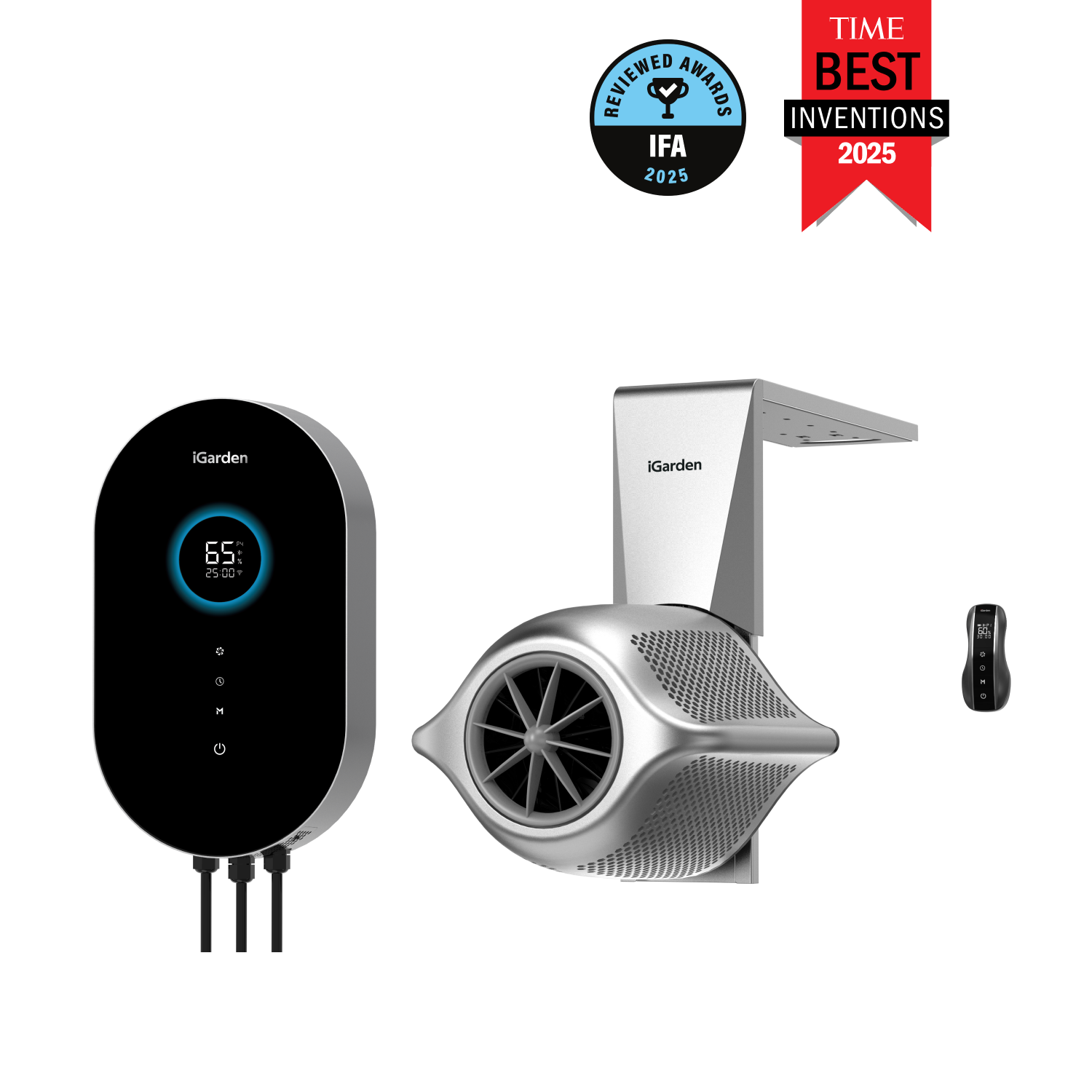
iGarden Swim Jet P Series
The Time Best Inventions of 2025. The stainless-steel system uses full-inverter technology for quiet, variable power and a patented flow-channel design that creates wider, consistent currents of up to 1,100 gallons per minute.
Buy NowSelecting Equipment by Pool Type
Construction material influences hardware choices significantly.
- Concrete (Gunite): The porous surface is prone to algae rooting. Owners of concrete pools need powerful circulation and stainless steel brushes. Salt systems on older concrete pools require proper electrical bonding to prevent galvanic corrosion of metal handrails and lights.
- Vinyl Liner: The surface is non-porous and smooth, inhibiting algae growth. However, the liner is fragile. Cleaners must be non-abrasive (no sharp edges), and chemicals must be pre-dissolved to avoid bleaching the pattern.
- Fiberglass: These pools boast a smooth gel coat that circulates water efficiently. They often require smaller pumps and fewer chemicals. Salt systems pair exceptionally well with fiberglass, as the non-reactive shell resists salt damage.
Safety Equipment
Safety remains non-negotiable.
Alarms and Barriers
Physical barriers save lives. Isolation fences with self-latching gates prevent unauthorized access effectively. For added security, pool alarms provide a digital "watchdog."
- Gate Alarms: Sound an alert when the gate opens.
- Surface Wave Alarms: These floating sensors detect the waves created when a person or pet falls into the water.
- Subsurface Alarms: These detect pressure changes underwater, offering fewer false alarms from wind or rain than surface models.
Debunking Common Pool Maintenance Myths
Misinformation leads to poor water quality and wasted money.
- Myth: Clear water is clean.
Pathogens can thrive in crystal-clear water if sanitation levels drop. Regular testing is mandatory to verify safety.
- Myth: Chlorine causes red eyes.
Improper pH or chloramines (waste byproducts) irritate eyes, not the chlorine itself. A strong "chlorine smell" actually signals dirty water loaded with chloramines, indicating a need for shock treatment to burn off contaminants.
- Myth: Saltwater pools contain no chlorine.
Salt generators produce chlorine. The mechanism differs, but the sanitizer remains the chemical chlorine.
- Myth: You must wait an hour after eating to swim.
Medical experts have debunked the idea that swimming after eating causes dangerous cramps. While strenuous exercise might be uncomfortable on a full stomach, casual swimming poses no risk.
Conclusion
Building the perfect pool environment requires balancing technology, budget, and lifestyle needs. From the energy efficiency of variable-speed pumps to the convenience of robotic cleaners, the right choices deliver years of trouble-free enjoyment. Prioritize safety, embrace automation, and select equipment that serves your specific swimming goals. Investing in quality upfront guarantees a backyard oasis that offers relaxation rather than a second job.